01Short answer
Usually no, but the house decides
For most houses a sun tunnel does not need planning permission. A few kinds of home are the exception, and it is quicker to find out before the roof is opened than after.
A sun tunnel is a small domed rooflight on the outside, a mirrored tube through the roof space, and a diffuser (the frosted panel that spreads the light) in the ceiling below. Because the part you can see from outside is a modest rooflight, the planning rules treat it as one. On an ordinary house, rooflights of this kind are normally allowed under permitted development, which is the set of national rules that lets you do certain work without applying to the council.
So if you are asking whether you need sun tunnel planning permission for a landing, hallway or bathroom in a standard semi or terrace, the likely answer is no. The word "likely" matters, though. The national rules depend on the type of building, on what the council has done locally, and on how far the dome stands up from the roof. We go through each of those below, and our wider guide to skylight planning permission in Essex covers the same rules for every kind of rooflight.
Normally fine without an application
A house with a pitched or flat roof, no listing, no council restriction on roof changes, and a low dome on the roof you are using.
Check with the council first
Flats and maisonettes, listed buildings, homes in an area with an Article 4 direction, and any case where the dome would stand tall above the roof.
02The limits
What keeps a sun tunnel inside the rules
The limits are short and they are about how the dome sits on the roof, not about the tube underneath.
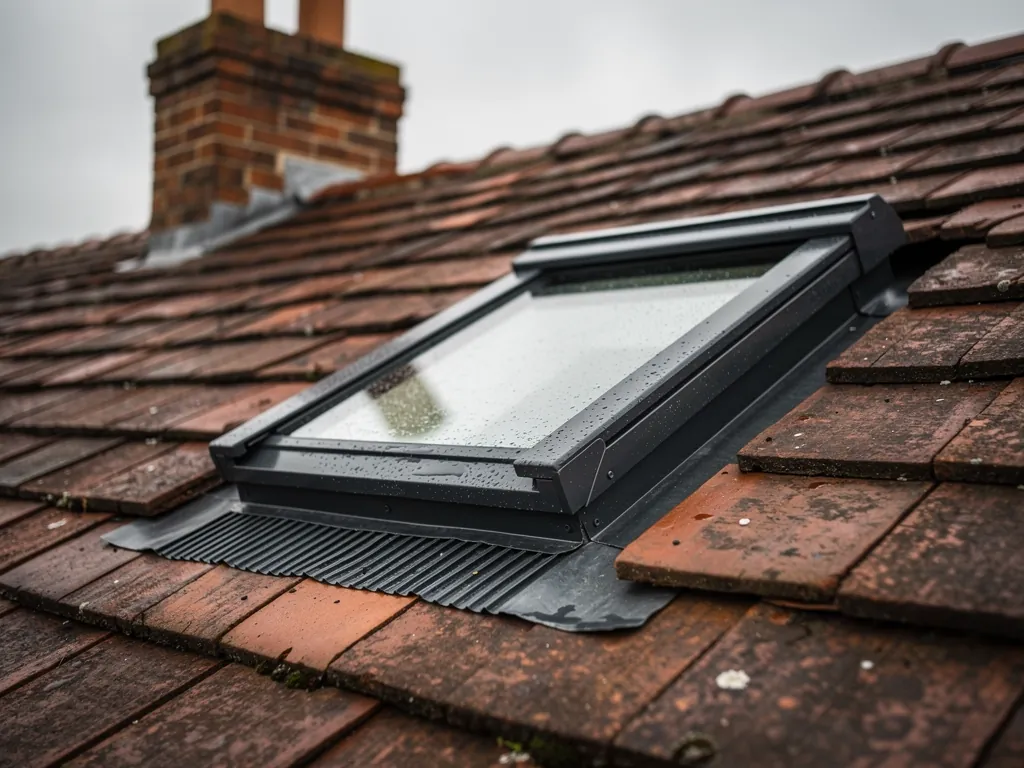
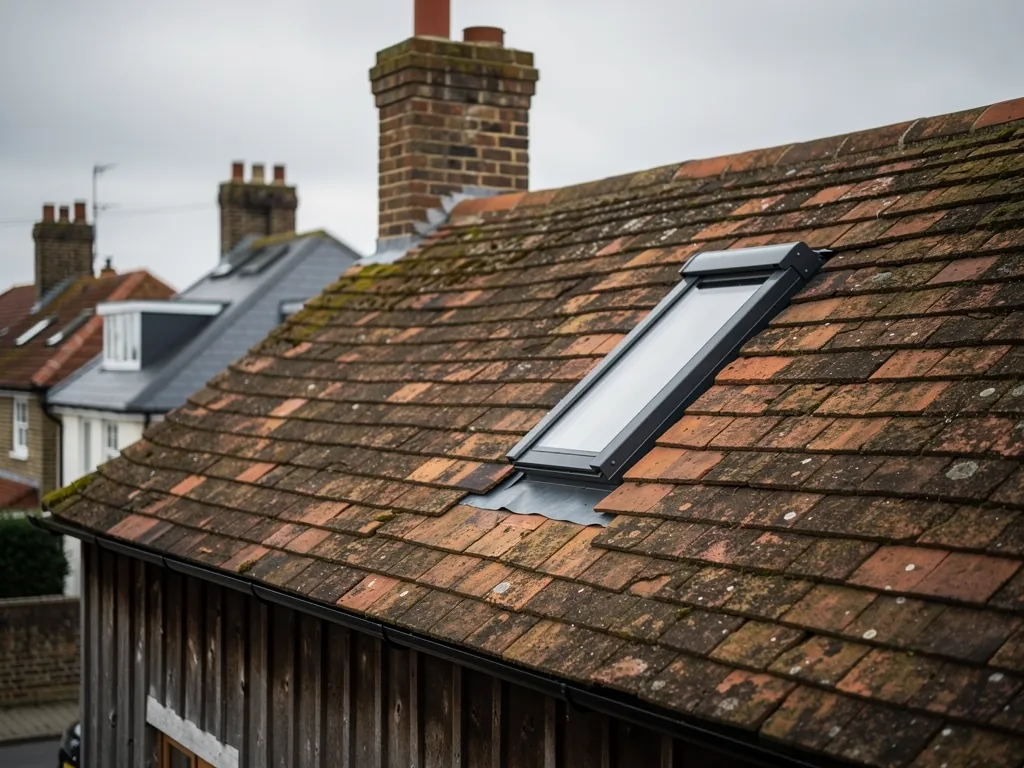
Permitted development for roof alterations on a house sets a few tests. The dome must not project more than 150mm beyond the plane of the roof slope. Its top also has to stay below the roof's highest point. And if it is in a roof slope facing the side of the house, it needs obscure glazing and has to be non-opening unless the opening part is more than 1.7m above the floor of the room. A sun tunnel does not open, and its dome is frosted or clear plastic or glass sitting low on the slope, so it usually meets these tests without any trouble.
The tube is the part people ask about. It runs inside the roof void and cannot be seen from the street, so it plays no part in the planning decision. What matters from the outside is the dome and its upstand, the short raised collar that lifts the dome clear of the roof covering. Ask for the product dimensions before you buy. If the dome and collar together rise more than 150mm, that is the moment to talk to the council.
- The dome and its collar stand no more than 150mm above the roof slope
- It sits no higher than the ridge, the top line of the roof
- It is not on a flat or maisonette, where these rules do not apply
- The building is not listed
- No Article 4 direction removes the usual freedoms in your street
03Exceptions
Flats, listed homes and Article 4 areas
Three situations change the answer completely, and none of them can be guessed from the street.
Flats and maisonettes are not covered by the permitted development rights for roof alterations. That does not mean a sun tunnel is refused. It means you ask the council, and you may also need permission from whoever owns the roof, which in a block is usually the freeholder. If the house is listed, a change like this needs listed building consent, which is a separate application from planning permission. Take it seriously, because work done without consent on a listed building can be a criminal matter.
Conservation areas sit in between. Living in one does not by itself remove the usual rights, but a council can put an Article 4 direction in place, which switches off specific freedoms for a street or an area. Whether yours has one is a council question, so check with the council rather than relying on a neighbour or a guess. The Planning Portal explains the process on planningportal.gov.uk.
| Your property | Planning position | Do this |
|---|---|---|
| House, not listed | Usually permitted development | Confirm dome height and any Article 4 direction |
| Flat or maisonette | No permitted development | Ask the council and the freeholder |
| Listed building | Listed building consent needed | Apply before any work |
| Conservation area | Depends on local directions | Check with the council |
04Regulations
Planning is one rule book, Building Regulations is another
Skipping planning permission does not skip the Building Regulations, and sun tunnels are covered by both in different ways.
Planning is about how the building looks and fits the area. Building Regulations are about whether the work is safe and the house stays energy efficient. A new sun tunnel means cutting a round opening through the roof, usually between the rafters, so the structure normally stays as it was. A new opening in the roof still has to meet the thermal limits, and whether it is notifiable is a question for Building Control, so check with them. Where notification applies, we handle it for you. Our page on whether rooflights need Building Regulations sets out the detail.
The warm side of the job matters just as much to us. The tube passes through cold loft space, so we wrap it in insulation and seal the ceiling joint, which stops a cold spot forming over the hallway. Our page on whether sun tunnels make rooms cold explains how.
- We survey the roof and the loft, and you get a written quote with no charge for the visit.
- You or we check the planning position for your property, using the council if it is a flat, a listed home or an Article 4 area.
- We notify Building Control before the opening is cut.
- We fit the dome, the tube and the diffuser, with your floors and furniture protected.
Can I fit a sun tunnel without asking the council?
Does a sun tunnel on a flat roof need planning permission?
On a house with a flat roof the same permitted development tests apply, so a low dome is normally fine. If the flat roof belongs to an extension, the extension's own permission may carry its own conditions, so it is worth reading the decision notice. Flats are a different case, as above.
Does the tube inside the loft need permission?
No. Planning looks at what can be seen from outside the building, and the tube sits inside the roof void. The tube does still form part of the structural and thermal work that Building Control looks at.
Is a sun tunnel treated differently from a roof window?
The planning tests are the same, because both count as rooflights. The practical difference is size: a sun tunnel dome is small, so it is easier to keep within the 150mm limit. Our roof window planning page covers the larger case.
Who should I ask if I am unsure?
Your local planning authority is the final word, and its website usually has a form for a quick question. If you want a formal answer, the council can issue a lawful development certificate. For the sun tunnel itself, start with our sun tunnel installation page, or book a free survey.